Korean Food Guide for First-Time Visitors
What to eat in Korea and how meals are actually structured — banchan, staple dishes, and what to try first.
Korean food is more varied than the handful of dishes that tend to travel internationally, and meals are structured a little differently than you might expect. This is an orientation, not a full menu — the ordering and etiquette guides go deeper once you are ready to sit down.
How a Korean meal is put together
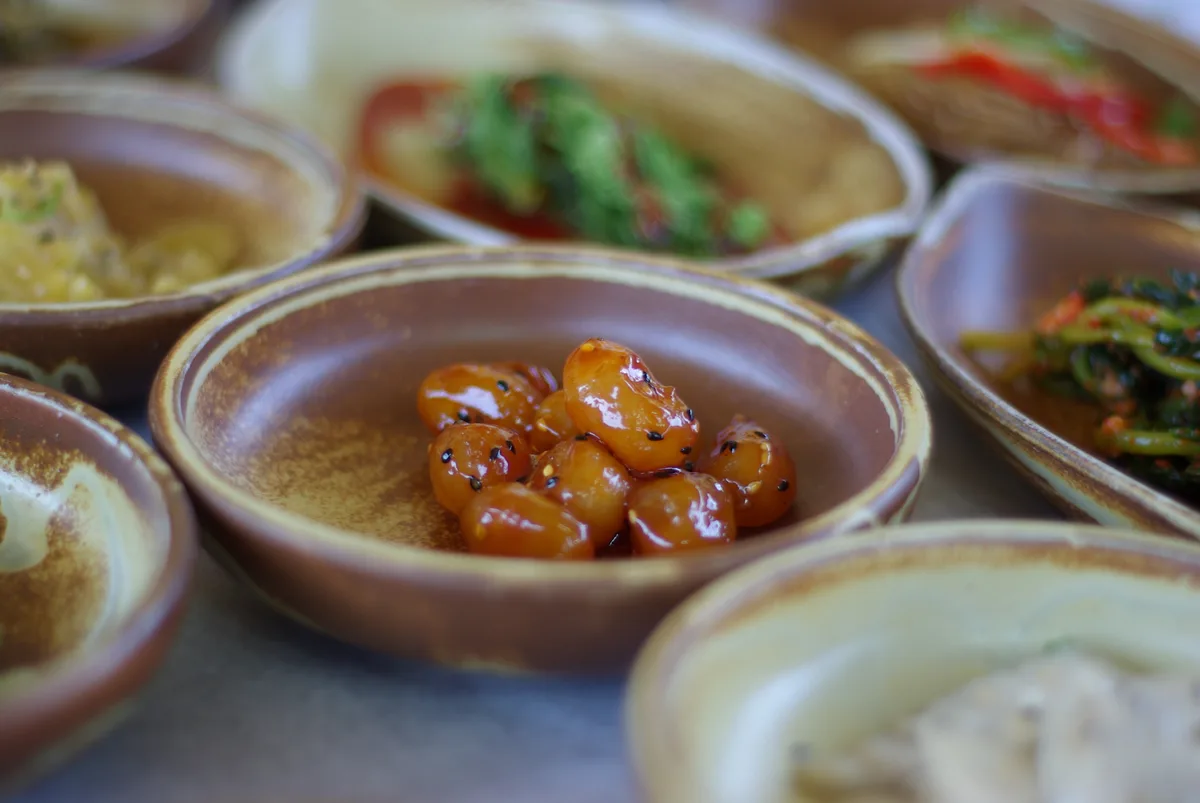
Most Korean meals come with banchan — small side dishes served alongside the main dish, usually included in the price rather than ordered separately. Depending on the restaurant, you might get anywhere from a few banchan to a dozen: usually a mix of vegetables, kimchi, and other seasoned small plates. It is normal to share these across the table and to eat from them throughout the meal rather than finishing them like a separate course.
A few dishes worth knowing
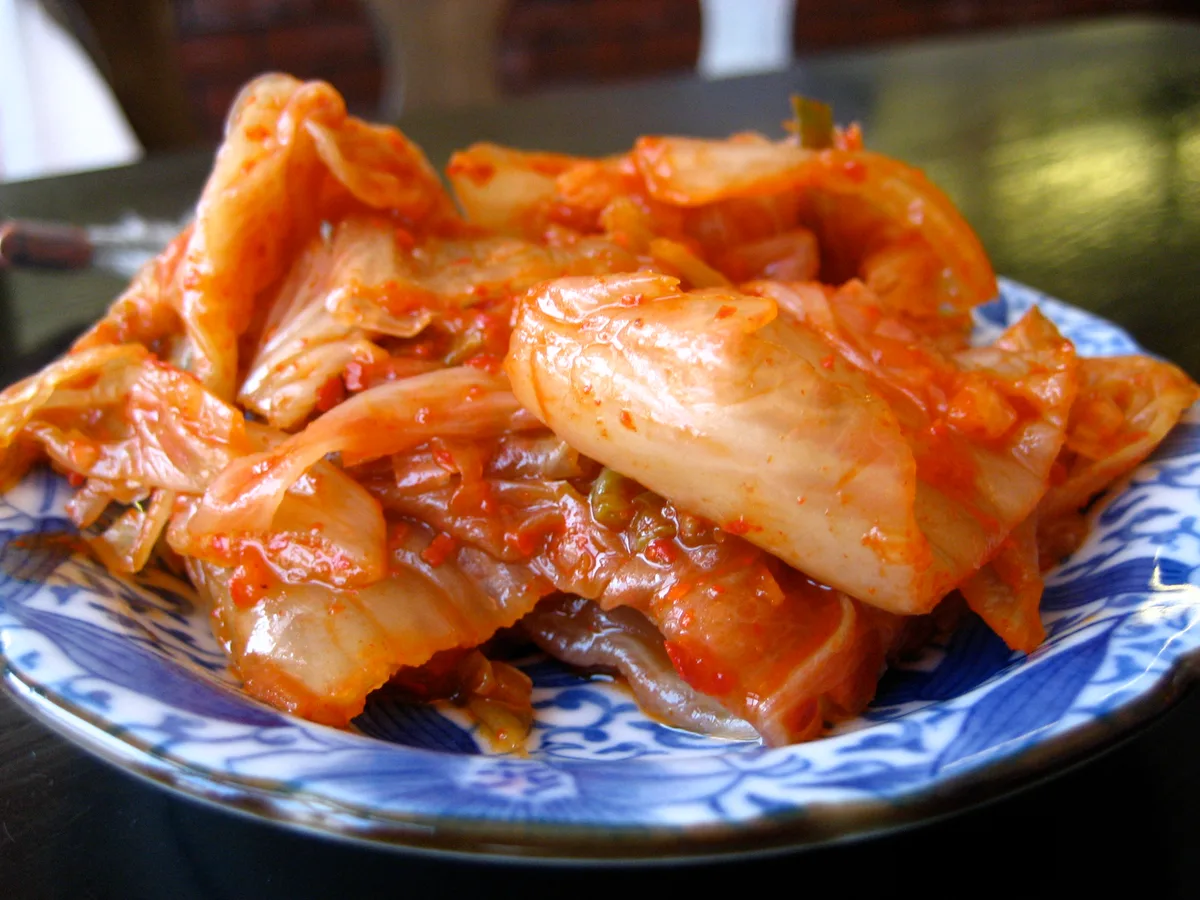
Kimchi — fermented, seasoned vegetables, most often napa cabbage — appears at nearly every meal and comes in many regional and seasonal varieties beyond the classic version.
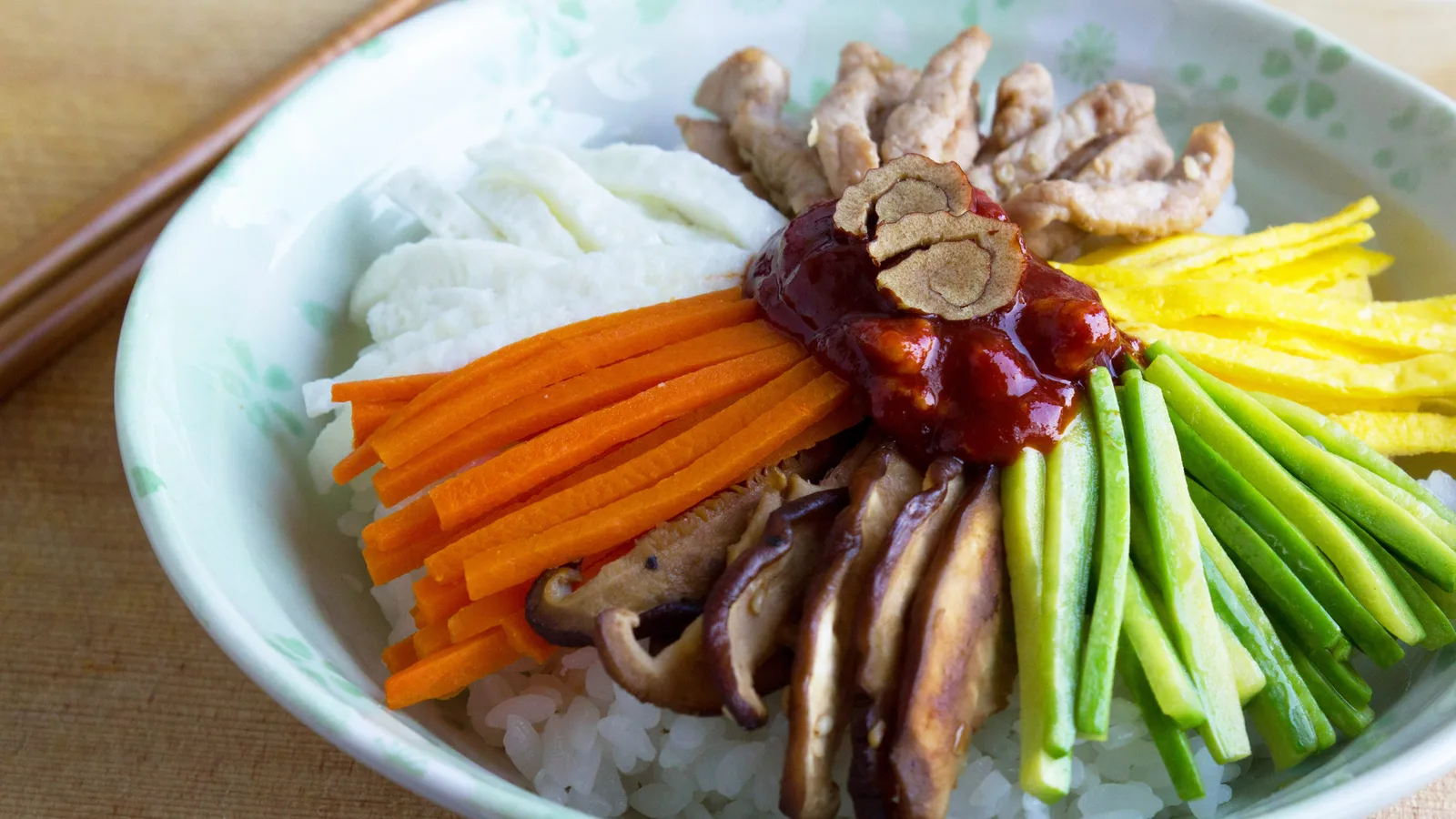
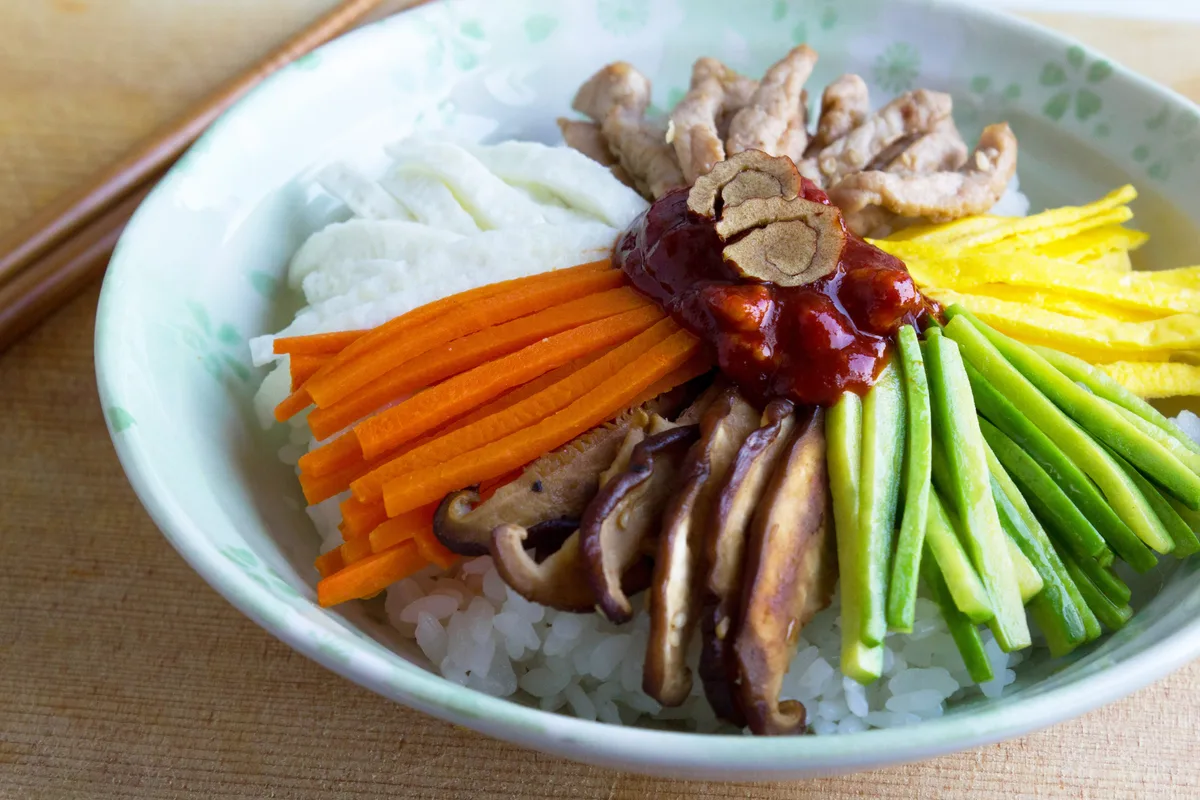
Bibimbap — rice topped with a mix of vegetables, often meat or a fried egg, and gochujang chili paste, all mixed together before eating — is one of the most widely recognized and easy to find dishes, and a reasonable one to start with if you are unsure what to order.
Beyond these two, Korean cuisine spans everything from grilled meats to noodle dishes to stews, with strong regional variation across the country.
Spice level, honestly
Korean food varies more in spiciness than its international reputation suggests — some dishes are genuinely mild, others are quite spicy — so it is reasonable to ask before ordering if you are uncertain, rather than assuming every dish will be hot.
Where to go from here
Once you have a sense of what to expect, the ordering guide covers how to actually navigate a menu and side dishes in practice, and the restaurant etiquette guide covers the table manners that make a meal comfortable for everyone at the table.
Sources
- About Korean Food — Korea Tourism Organization (accessed )