Cultural Etiquette Every First-Time Visitor Should Know
The everyday Korean etiquette basics that keep a first-time visitor respectful — greetings, shoes, and general public behavior.
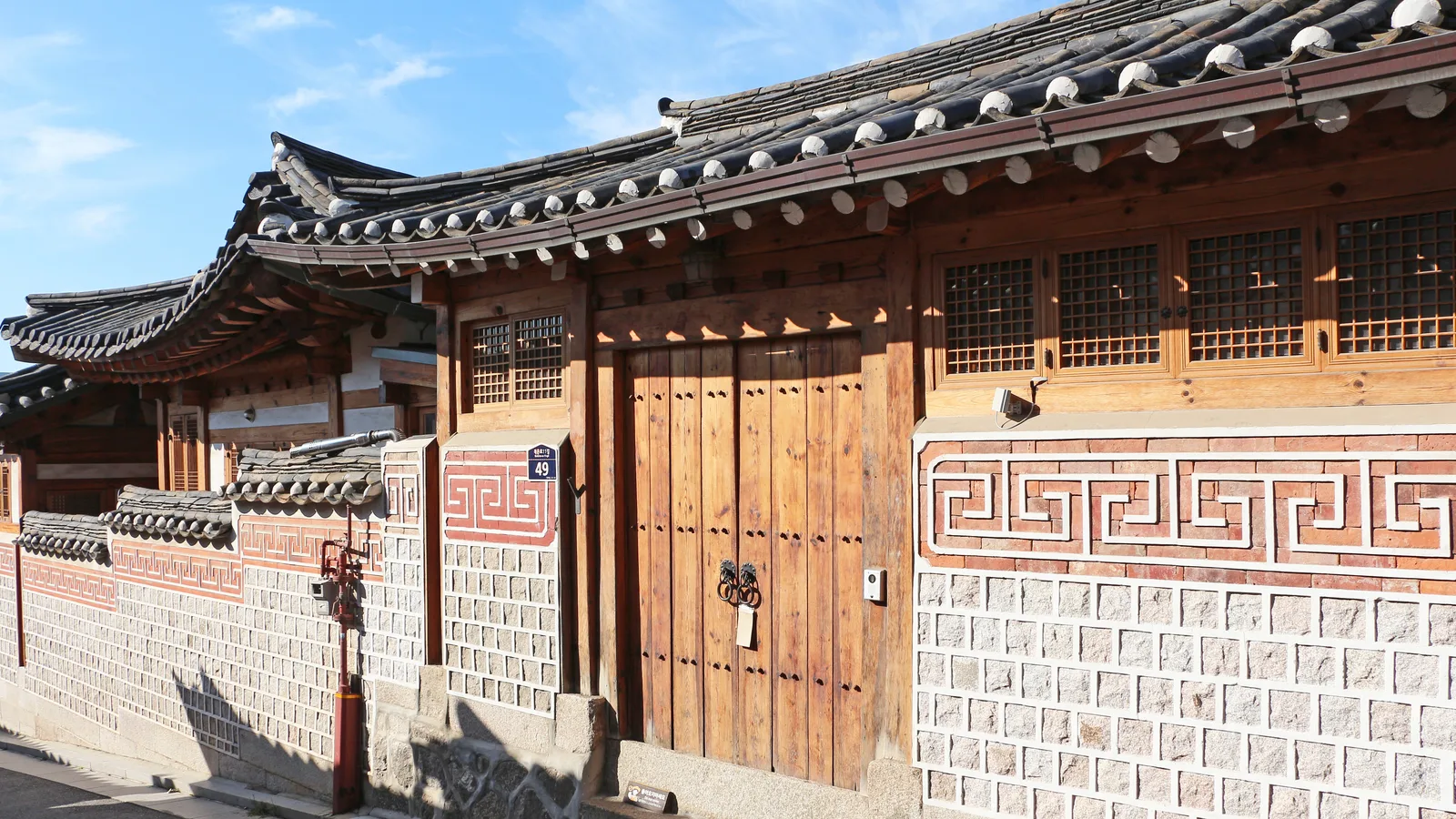
Korean etiquette is less about a long list of rules and more about a handful of habits that, once you know them, make everyday interactions noticeably smoother.
Greetings and bowing
A slight bow is a common everyday greeting — a small bob of the head and shoulders is enough in most casual situations, and the bow generally gets a little deeper the older or more senior the person you are greeting. If a cashier or service worker bows to you, a small bow back is polite and easy to pick up quickly. This is not a rigid formal gesture in daily life — it is closer to a nod than a ceremony.
Shoes off, when it matters
Removing your shoes is expected before entering a Korean home, many guesthouses, some restaurants with floor seating, the buildings of a Buddhist temple, and your room at a Korean-style inn. Look for a small entryway (sometimes with a step or a shoe rack) just past the door — that is usually the signal. Restaurants with regular table-and-chair seating generally do not require this; it is mainly floor-seating and residential-style spaces where it applies.
A few general habits
Keep your voice down on public transit and in quiet public spaces — Koreans generally do so as a matter of course. When giving or receiving something from someone older or in a formal setting, using two hands (or supporting one arm with the other hand) is a small gesture that reads as respectful. None of these are strict rules that will cause serious offense if you get them slightly wrong — they are just small, low-effort habits that go a long way.
Where to go from here
The restaurant etiquette guide covers the specific table manners for dining, and the essential phrases guide pairs naturally with these everyday habits if you want a few words of Korean to go with them.
Sources
- Korean Etiquette — Seoul Tourism Organization (accessed )