Korean Restaurant Etiquette and Table Manners
The Korean table manners that make a shared meal comfortable — seating, pouring, chopsticks, and sharing dishes.
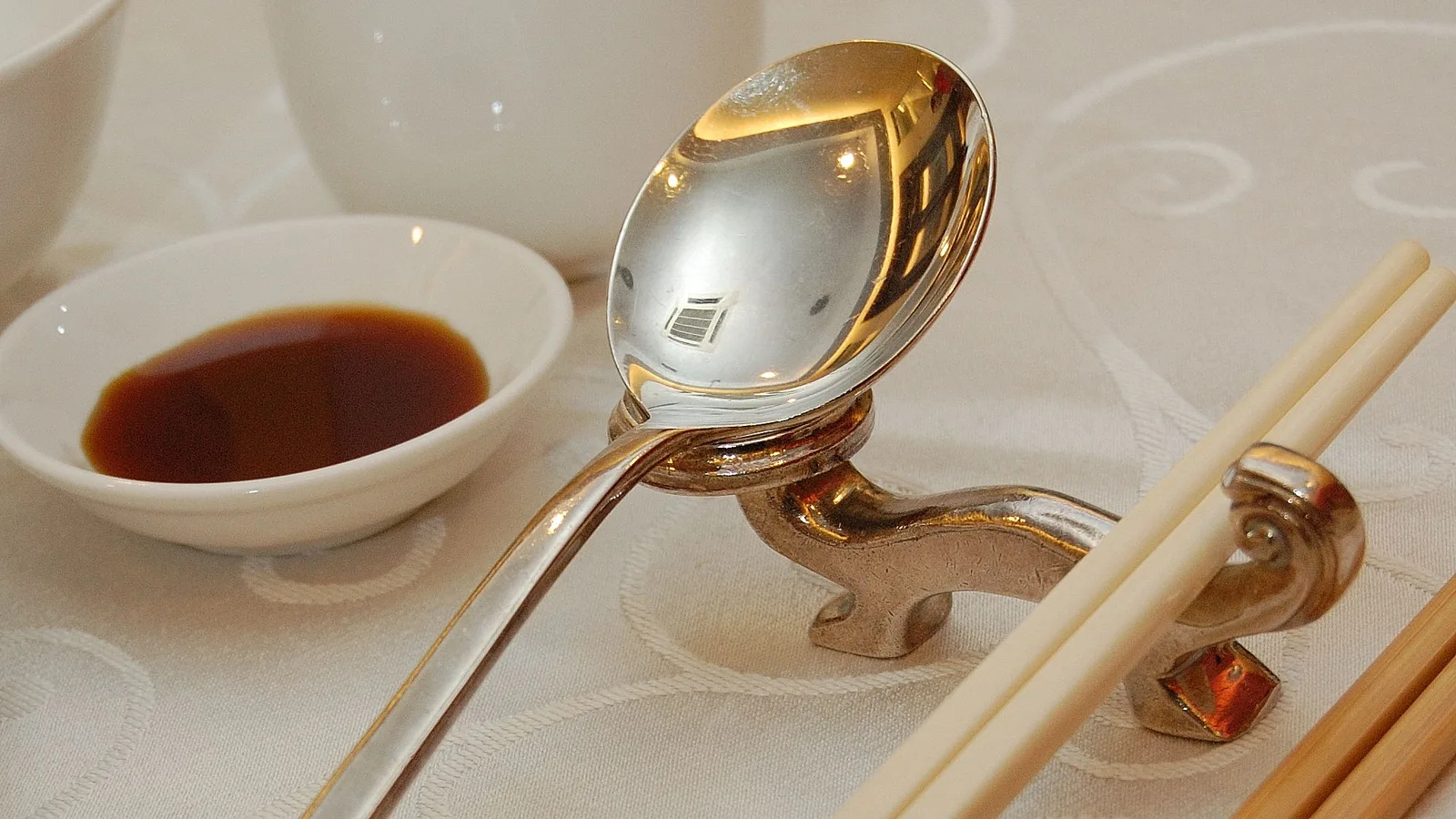
Korean dining etiquette is mostly about small, considerate habits around shared food and seniority — not a long list of strict rules.
Waiting to start
If you are eating with a group that includes someone notably older or more senior, it is customary to wait for that person to begin eating before you do. In a casual meal among peers, this matters much less.
Pouring for others
At meals involving drinks, it is customary to pour for others at the table rather than filling your own glass, and to notice when someone else’s glass is empty. When someone older or senior pours for you, receive it with both hands, or with one hand supported by the other — the same gesture used when giving or receiving other things in a formal context.
Chopsticks and spoons
Korean meals typically use both chopsticks and a spoon — the spoon is for rice and soup, chopsticks for everything else. Leaving chopsticks or a spoon standing upright in a bowl of rice is considered inappropriate, as it resembles a ritual associated with offerings to the deceased; resting them on the table or a chopstick rest instead avoids this entirely.
Sharing dishes
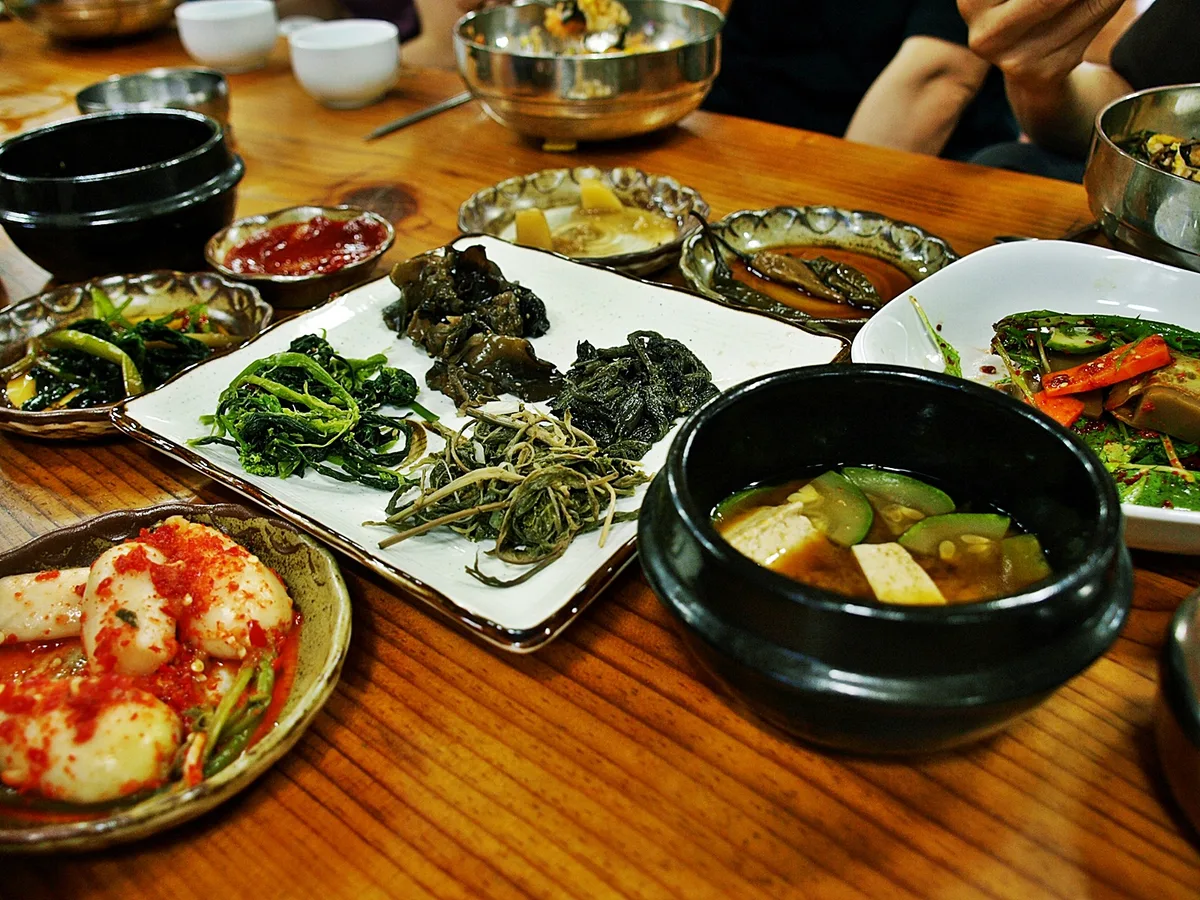
Many Korean meals are built around shared dishes at the center of the table rather than individual plates — this is normal, not an invitation to be careless about hygiene. Using the serving utensils provided, or the back end of your own chopsticks if none are provided, to take food from a shared dish is a considerate habit worth adopting.
Where to go from here
The general etiquette guide covers the everyday habits beyond the dining table — greetings, shoes, and public behavior — if you want the fuller picture before your trip.
Sources
- Korean Etiquette — Seoul Tourism Organization (accessed )