South Korea Travel Guide for First-Time Visitors
A practical orientation to Korea for first-time visitors — entry requirements, seasons, rough budget, and how to use the rest of this site to plan a trip.
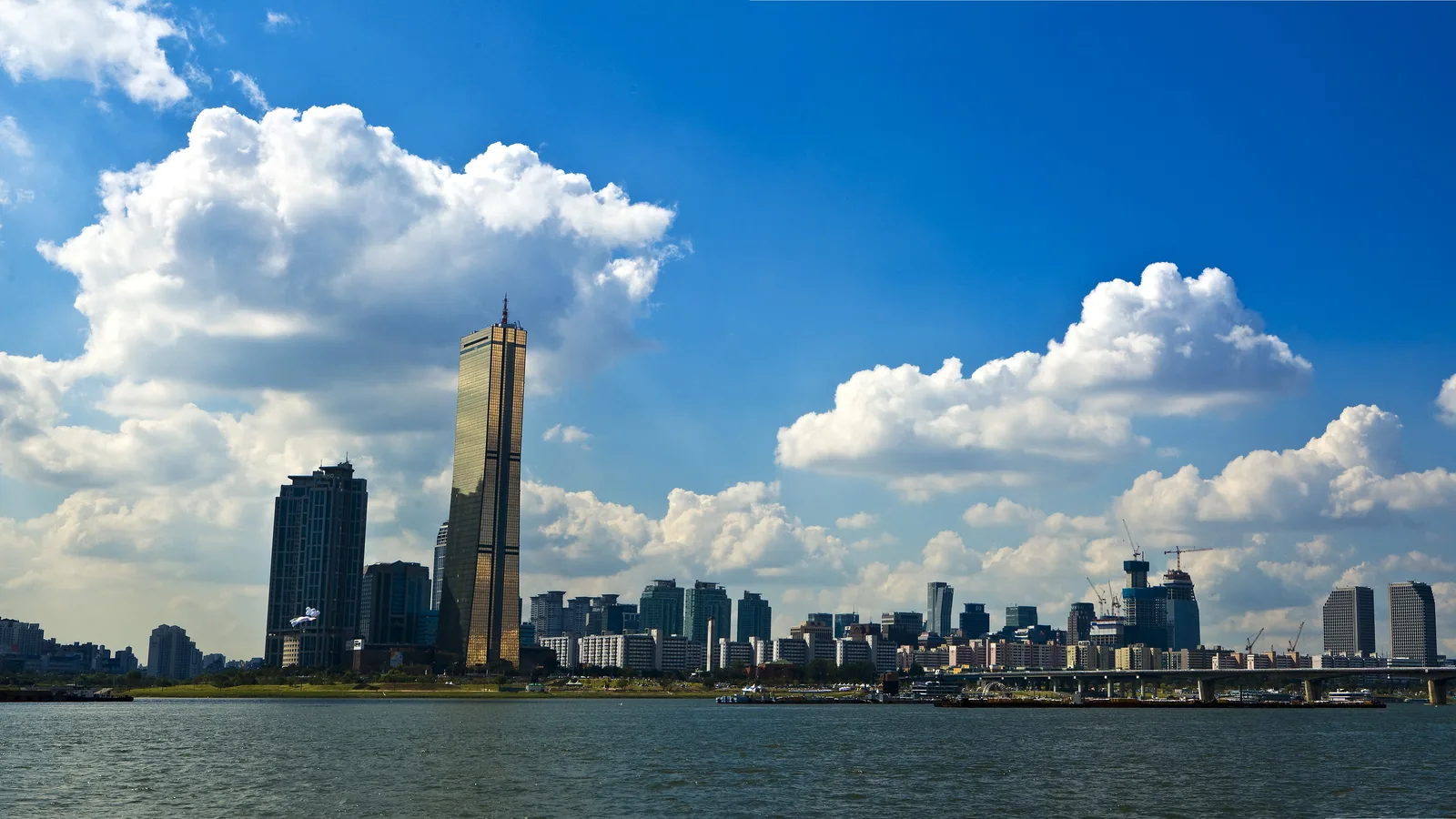
If this is your first trip to Korea, you probably have more questions than you know how to organize: what you need before you land, how expensive it actually is, when to go, and how the rest of this site is arranged. This article is meant to answer those in one place, then point you toward the specific guides that go deeper.
What you need before you go
Entry rules for Korea have changed twice in the last two years, so it is worth checking this section even if you have visited before.
Korea currently exempts citizens of 22 countries and regions — including the United States, Canada, the United Kingdom, Australia, New Zealand, Japan, and most of Western Europe — from needing a K-ETA (Korea Electronic Travel Authorization) to enter visa-free. That exemption is temporary and runs through December 31, 2026. From January 1, 2027, K-ETA becomes mandatory again for all visa-free travelers, including citizens of the countries currently exempted.
If you do need a K-ETA, apply through the official K-ETA website before you travel; approval typically takes up to 72 hours, and an approved K-ETA is generally valid for about three years.
Separately, since January 1, 2026, airlines have stopped handing out the old paper arrival cards on incoming flights. If you are travelling without a K-ETA, you now need to submit an electronic arrival card before you reach immigration, rather than filling out a paper form on the plane.
Because entry rules are exactly the kind of thing that changes without much warning, always confirm your own situation on the official K-ETA site close to your travel date, rather than relying on anything you read here — including this article — as the final word.
Seasons at a glance
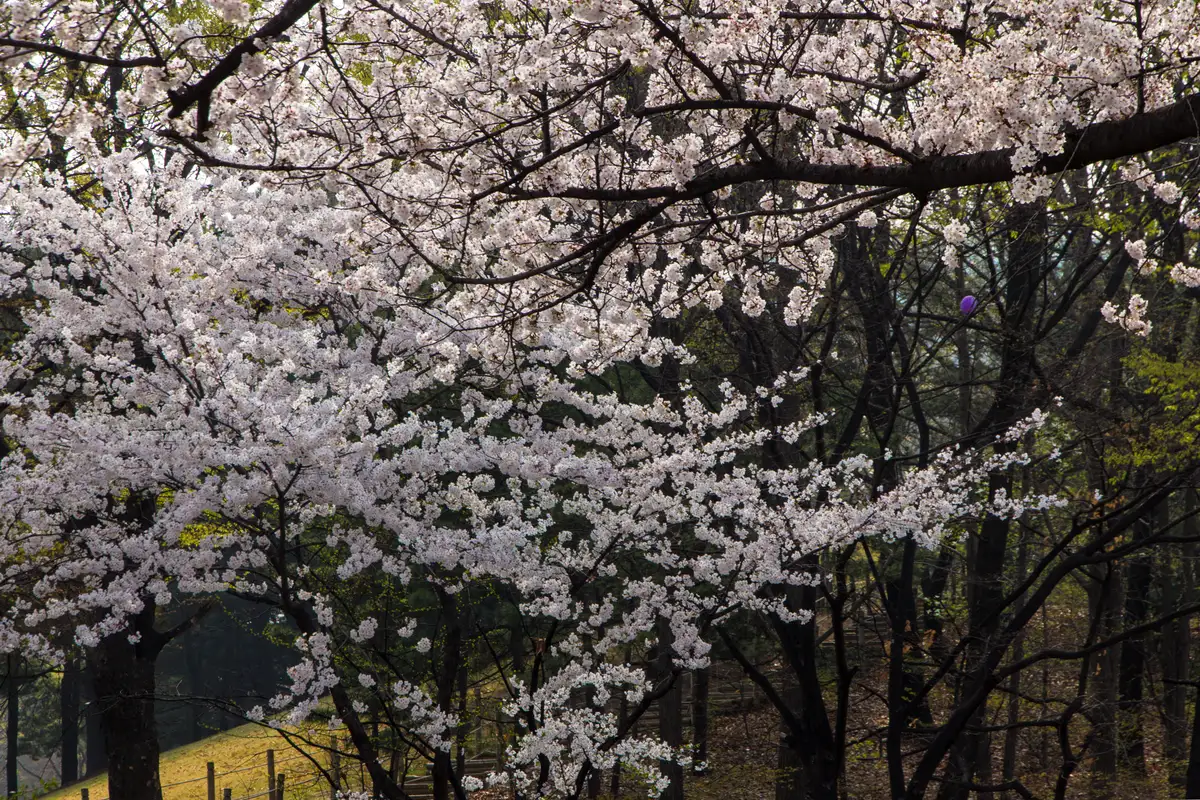
Korea has four clearly distinct seasons. Spring (roughly March to May) and autumn (September to November) are generally the most comfortable for walking around cities, with mild temperatures and, in spring, cherry blossoms in many parts of the country. Summer (June to August) is hot and humid, with a distinct monsoon period. Winter (December to February) is cold and dry, particularly inland, with occasional heavy snow in some regions. None of this is a reason to avoid any particular season — each has its own advantages — but it is worth planning what you pack and how much you walk around outdoors accordingly.
A rough sense of budget
Korea is generally less expensive than Japan or Western Europe for food and local transit, and more expensive than much of Southeast Asia. Accommodation is the biggest variable: a comfortable mid-range hotel or guesthouse in Seoul costs meaningfully more than the same standard of room outside the capital. Public transit, convenience-store meals, and casual local restaurants are inexpensive by international standards; specialty dining, private tours, and accommodation in central Seoul during peak seasons are where costs add up fastest. Rather than quote specific numbers here — which age quickly — the practical takeaway is: budget generously for accommodation in central Seoul, and modestly for food and transit.
Getting around, in brief
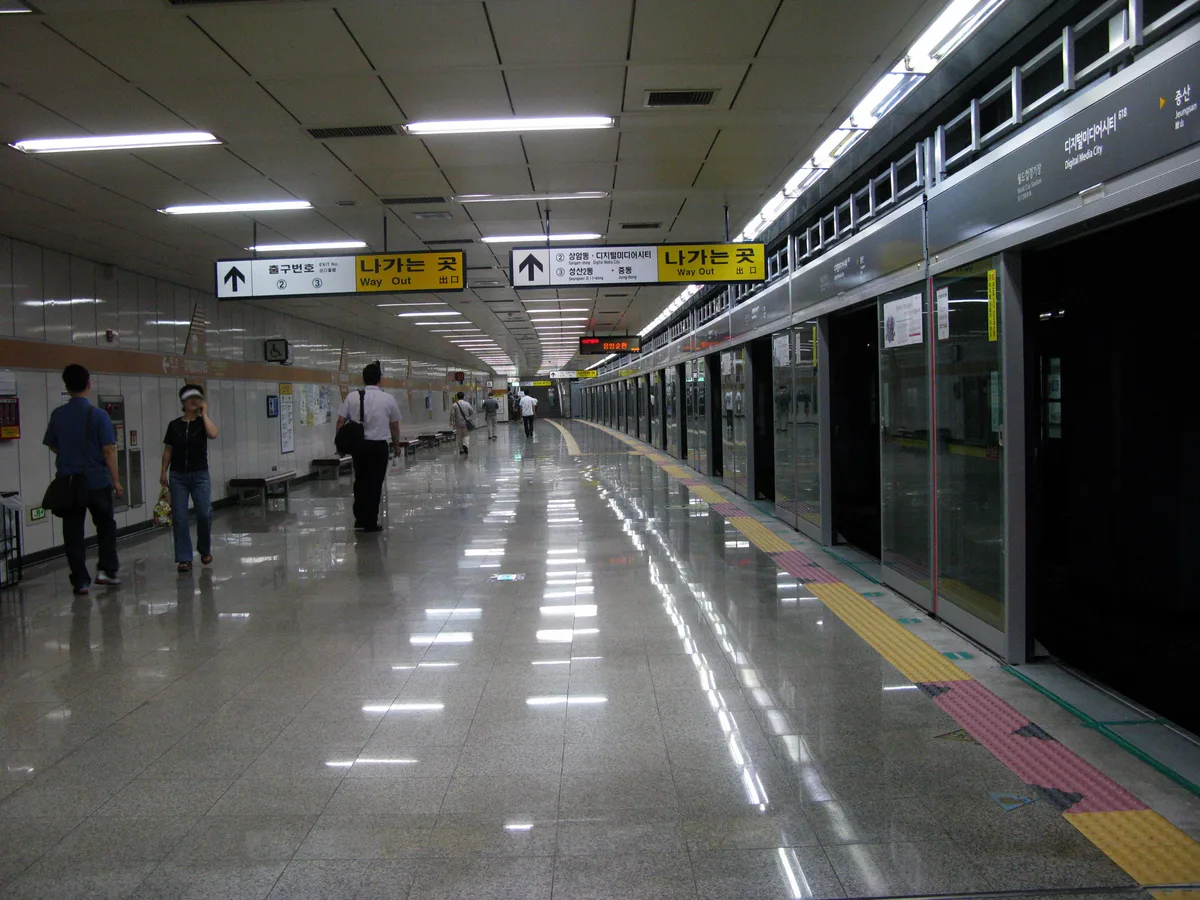
Seoul and most major cities have extensive subway and bus networks that are easy to use once you understand the basics, and Korea’s intercity trains connect major cities quickly. You do not need a car for a typical first trip. The full mechanics — how to get a transit card, how fares work, how to get from the airport into the city — are covered in the dedicated transit and airport guides linked below.
A short etiquette overview
A few habits go a long way: use two hands (or support one arm with the other hand) when giving or receiving something from someone older or in a formal context, remove your shoes when a space clearly expects it (most homes, many guesthouses, some restaurants with floor seating), and keep your voice down on public transit. None of this is complicated, and the full etiquette guide covers it with more context than a first-trip overview can.
How to use the rest of this site
If you only read a handful of articles before your trip, follow the First Trip to Korea reading order: it takes you from this orientation through arrival, choosing where to stay, getting around, paying for things, staying connected, eating well, and a short language and etiquette primer, in the order a first-time visitor actually needs them. From there, the Travel, Movies & TV, Food, and Culture & Language sections each go deeper into their own topics whenever you are ready for more.
Sources
- K-ETA — Korea Electronic Travel Authorization (official portal) — Korea Immigration Service (accessed )
- Visa & Travel Requirements — Korea Tourism Organization (accessed )