How to Use Public Transportation in Korea
How Korea's subway and bus system works, how to get and use a T-money card, and how transfers and fares fit together.
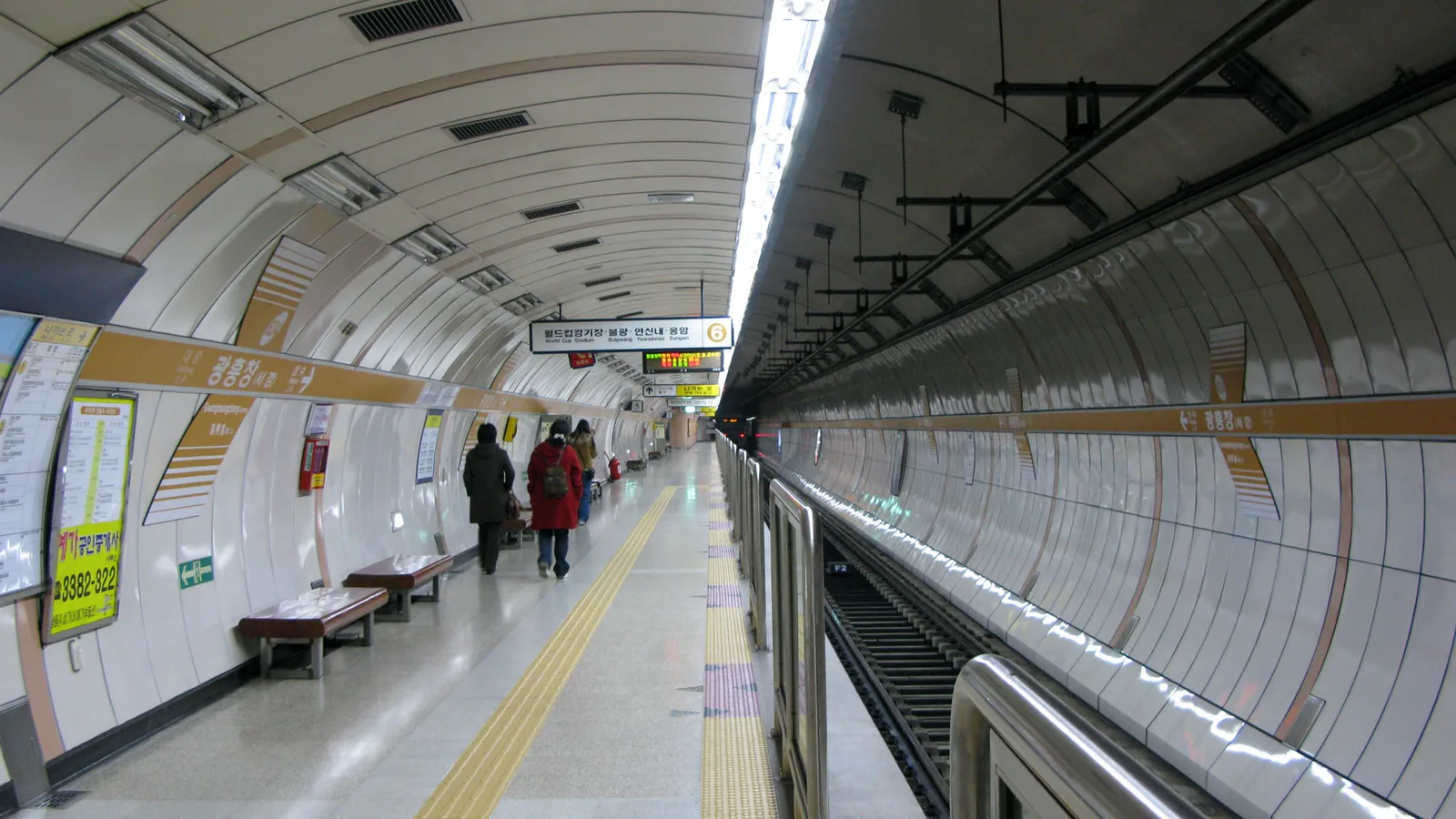
Korea’s public transportation is extensive, reliable, and, once you understand a few basics, easy to use without speaking Korean. This is the mechanics — the cards, fares, and transfers — not a specific route planner.
Get a T-money card
A T-money card is a rechargeable transit card that works on subways, buses, and even some taxis across the country. You can buy one at a subway ticket office or almost any convenience store, for a small card fee separate from your travel balance. You top it up in 1,000 KRW increments, and the card can hold up to a maximum stored balance of 500,000 KRW. For a short trip with regular sightseeing, loading it a couple of times as you go is simpler than trying to calculate an exact total up front.
How subway and bus fares work
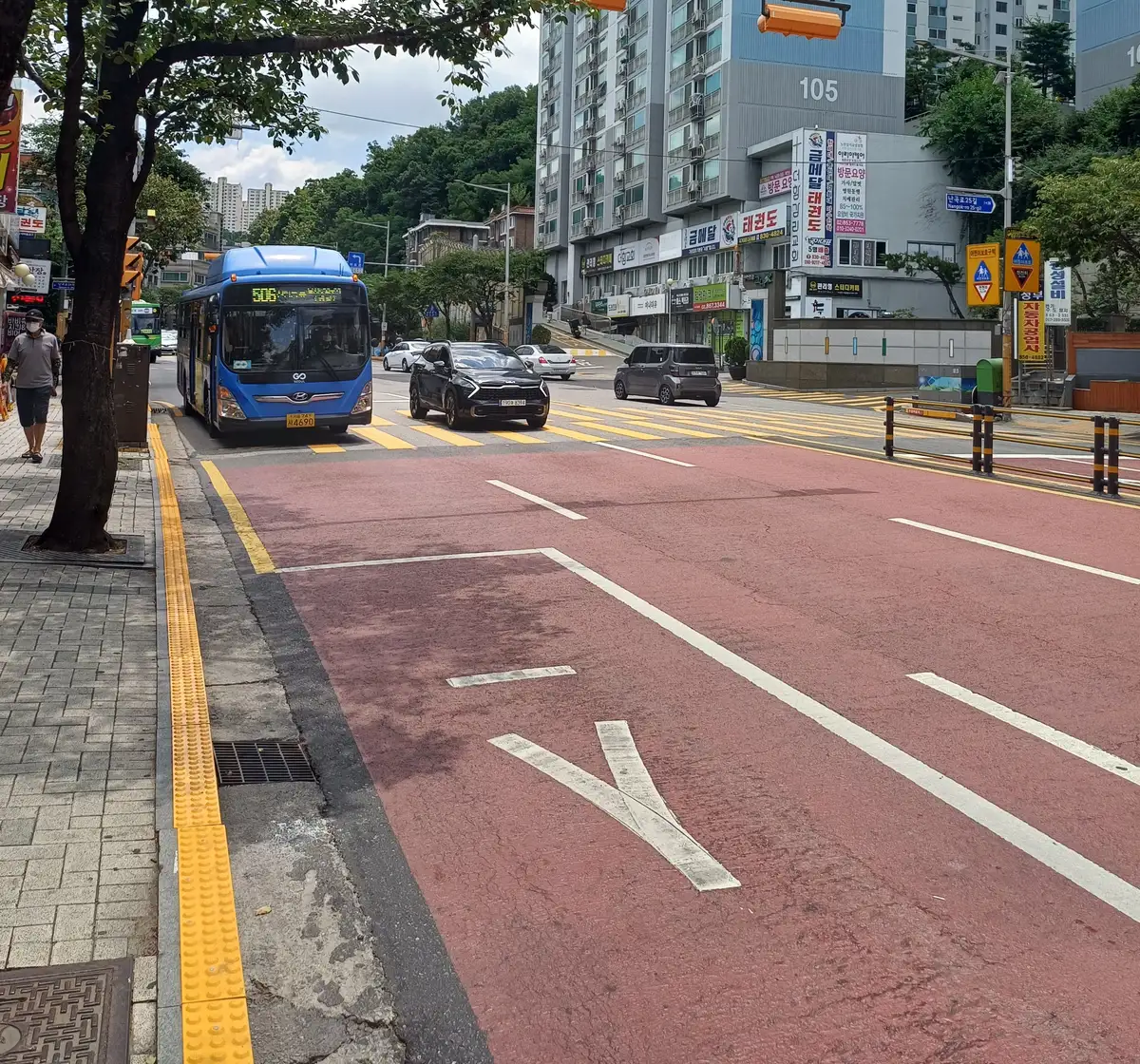
The subway’s base fare covers travel up to 10km, with an additional charge for every 5km beyond that — so a longer trip across the city costs more than a short hop between two nearby stations. If you transfer between subway and bus (or bus to bus) within the transfer window, that transfer is free — you are not charged a second base fare. That transfer window is extended to 60 minutes between 9pm and 7am, compared to the standard daytime window, which is a useful detail if you are coming back from somewhere late at night.
Tap your T-money card on the reader when you enter and again when you exit the subway, or once when boarding a bus — the system calculates the fare automatically, including any transfer discount.
A note on intercity travel
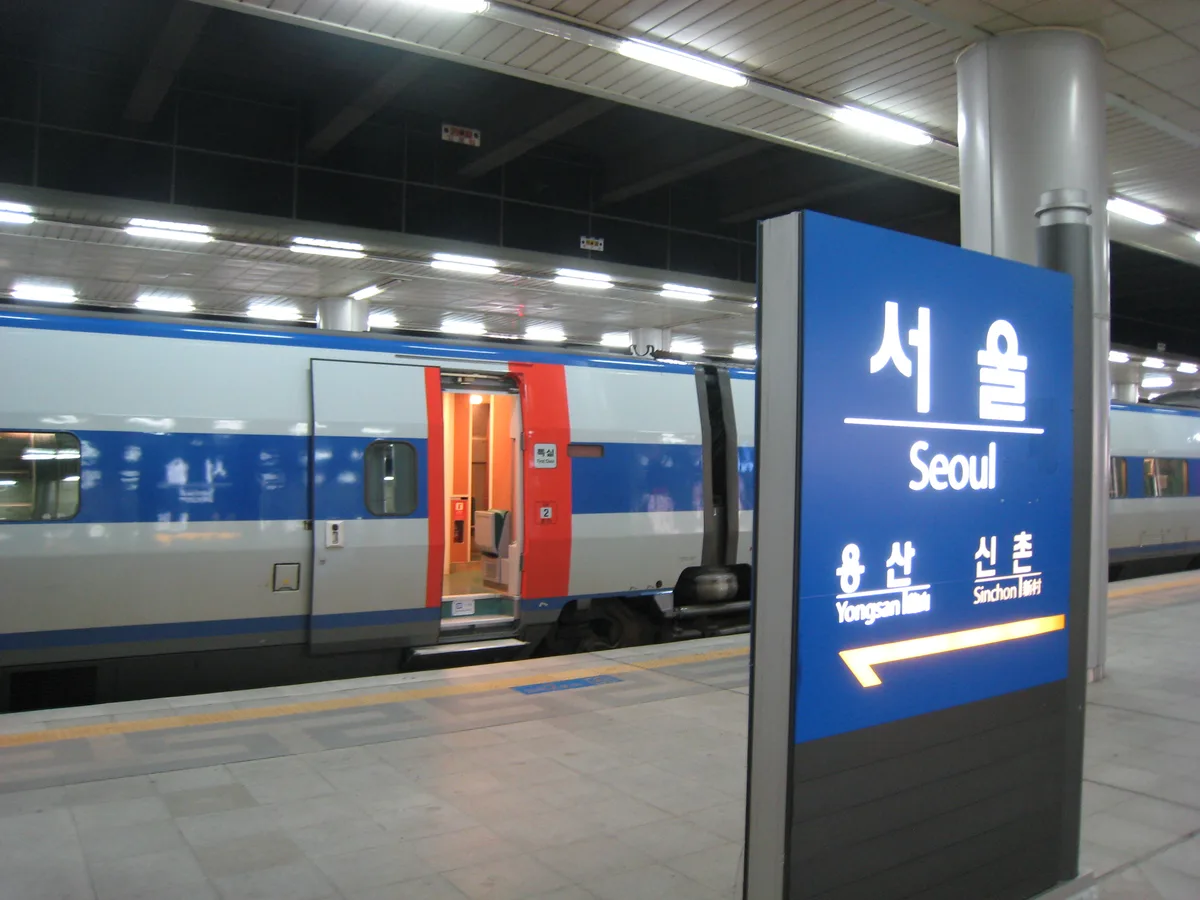
Korea’s high-speed and regional trains connect major cities quickly, and buses serve smaller towns the trains do not reach. Both are straightforward to book in advance through official channels, but they use a separate ticketing system from T-money and are worth planning ahead of time rather than figuring out on the day, especially around holidays.
Putting it together
Once you have a T-money card loaded with a reasonable balance, getting around most of Korea day to day is genuinely simple: tap in, tap out, and let the free-transfer window work in your favor when you are combining subway and bus. From here, the payments guide covers the rest of how money works day to day in Korea, including where T-money overlaps with other payment methods.
Sources
- Seoul Metro — Fare — Seoul Metro (accessed )
- T-money — Foreigner Guide — T-money Co., Ltd. (accessed )