Essential Korean Phrases for Travelers
A short set of Korean phrases you will actually use on a trip, with pronunciation help and the official romanization standard.
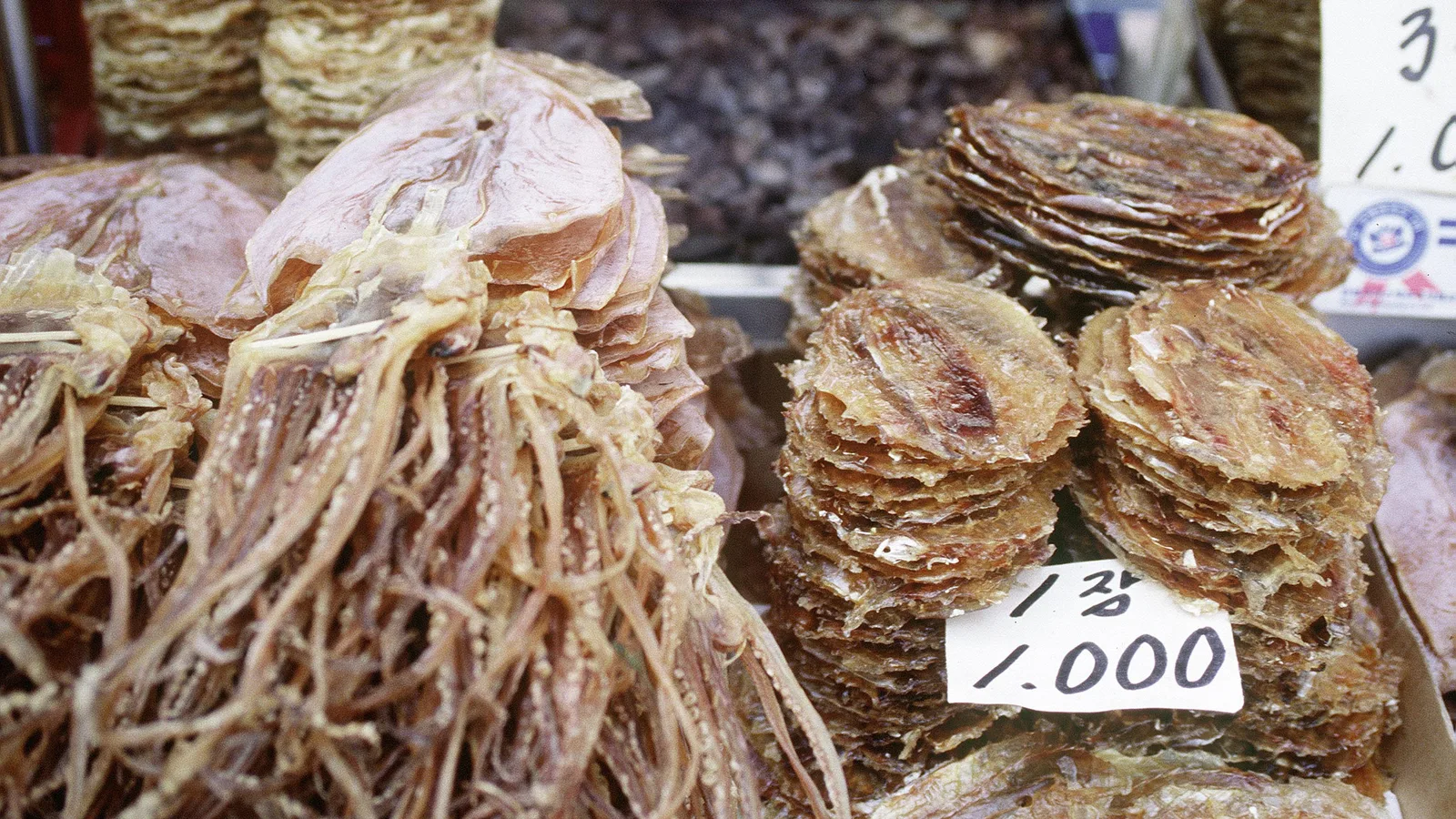
You do not need to learn Korean to have a good trip, but a handful of phrases go a long way — both practically and as a small gesture of effort that Korean speakers generally appreciate. Romanization below follows the Revised Romanization of Korean, the official system published by South Korea’s National Institute of Korean Language, so pronunciation guidance is consistent with official signage and station names.
Greetings and basics
- Hello — 안녕하세요 (annyeonghaseyo)
- Thank you — 감사합니다 (gamsahamnida)
- I’m sorry / excuse me — 죄송합니다 (joesonghamnida)
- Yes — 네 (ne)
- No — 아니요 (aniyo)
These five cover most polite, everyday interactions — greeting someone, thanking a shopkeeper, apologizing for bumping into someone on the subway, or simply answering a question.
Practical phrases
- How much is this? — 얼마예요? (eolmayeyo?)
- Where is the bathroom? — 화장실이 어디예요? (hwajangsiri eodiyeyo?)
- Please help me — 도와주세요 (dowajuseyo)
Pointing while saying “eolmayeyo?” at a market stall or “eodiyeyo?” after naming a place works well in practice — Korean word order puts the question word at the end, so you can often get by with a noun plus one of these phrases rather than a full sentence.
A note on pronunciation
Korean vowels are fairly consistent once you learn them, and most of the phrases above are close enough to their romanized spelling that speaking them slowly and clearly will generally be understood. Do not worry about perfect tones or pitch — Korean does not use tone the way some other Asian languages do, so clear pronunciation matters more than intonation.
Where to go from here
If you want to understand the formality system behind these phrases — why Korean has different “levels” of politeness — the honorifics guide explains it without the jargon.
Sources
- Romanization of Korean — National Institute of Korean Language (accessed )