Korean Holidays and Traditions Explained
Korea's major traditional holidays and the meaning behind them, framed around what they mean rather than their exact yearly dates.
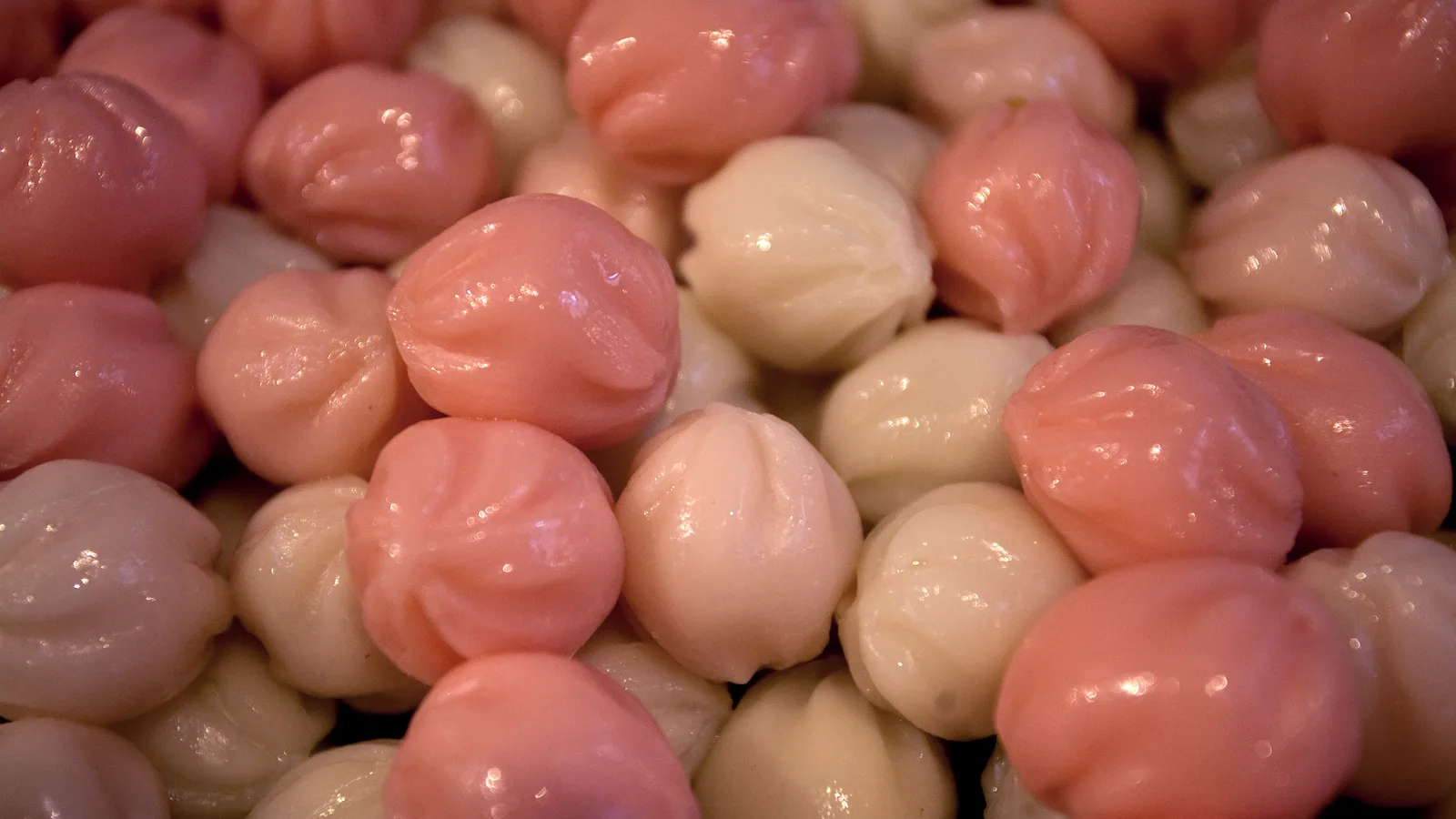
Korea’s calendar includes several major traditional holidays, and understanding what they mean is more useful than memorizing their exact dates, since the two most important ones move every year on the Gregorian calendar.
Seollal and Chuseok
Seollal, the Lunar New Year, and Chuseok, often described as Korean Thanksgiving and tied to the autumn harvest, are Korea’s two most widely celebrated traditional holidays. Both are observed on the lunar calendar, which is why their Gregorian-calendar dates shift from year to year — Seollal generally falls in late January or February, and Chuseok generally falls in September or October. Both are accompanied by extended public holidays, during which many Koreans travel to be with family, so transportation and some businesses can be busier or more limited than usual around these dates.
What the holidays actually mean
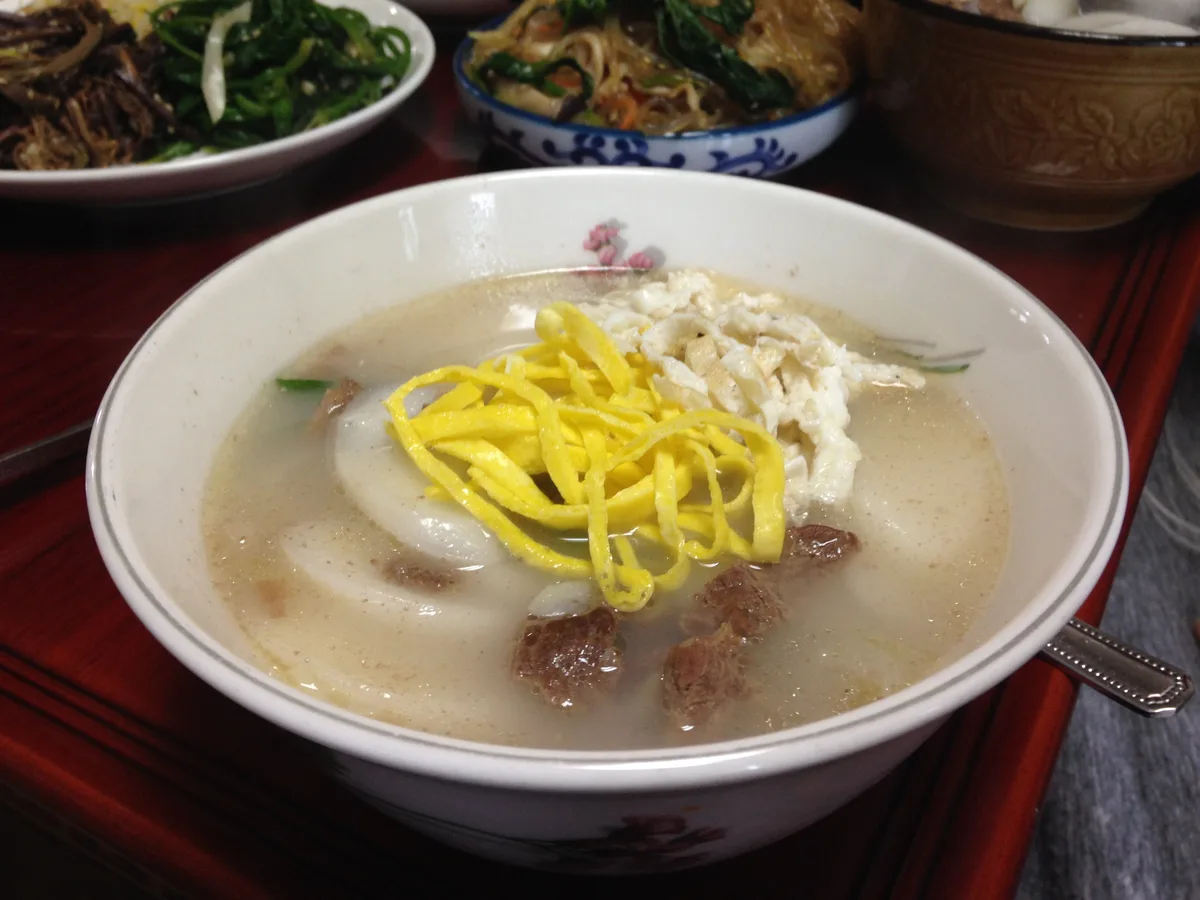
Seollal centers on family gathering, ancestral rites, and a fresh start to the year, along with foods like tteokguk (rice cake soup), traditionally eaten to mark turning a year older.
Chuseok centers on gratitude for the harvest and honoring ancestors, with foods like songpyeon (a half-moon-shaped rice cake) as a central tradition. Neither holiday is primarily about public celebration in the way some Western holidays are — they are foremost family and household observances.
What this means if you are visiting
If your trip overlaps with Seollal or Chuseok, expect some smaller businesses and markets to close or reduce hours, and transportation between cities to be busier than usual as people travel to see family. Major tourist attractions generally remain open, and some cultural sites hold special seasonal programming during these periods, so it is worth checking specific opening hours rather than assuming either a full shutdown or business as usual.
Where to go from here
The general etiquette guide covers everyday customs beyond these specific holidays, if you want a fuller sense of the cultural context around them.
Sources
- Three Major Traditional Korean Holidays: Seollal, Dano, and Chuseok — Korea Tourism Organization (accessed )
- Korea's Four Major National Holidays — Seoul Metropolitan Government (accessed )