Korean Cultural Context That Helps You Understand Dramas
The everyday Korean cultural context — hierarchy, formal speech, and family relationships — that helps common drama situations make sense.
If you have watched a Korean drama and noticed characters speaking differently depending on who they are talking to, or a workplace and family dynamic that seemed unusually formal, this explains the cultural logic behind it — objectively, and without interpreting any specific show’s plot.
Where the hierarchy comes from
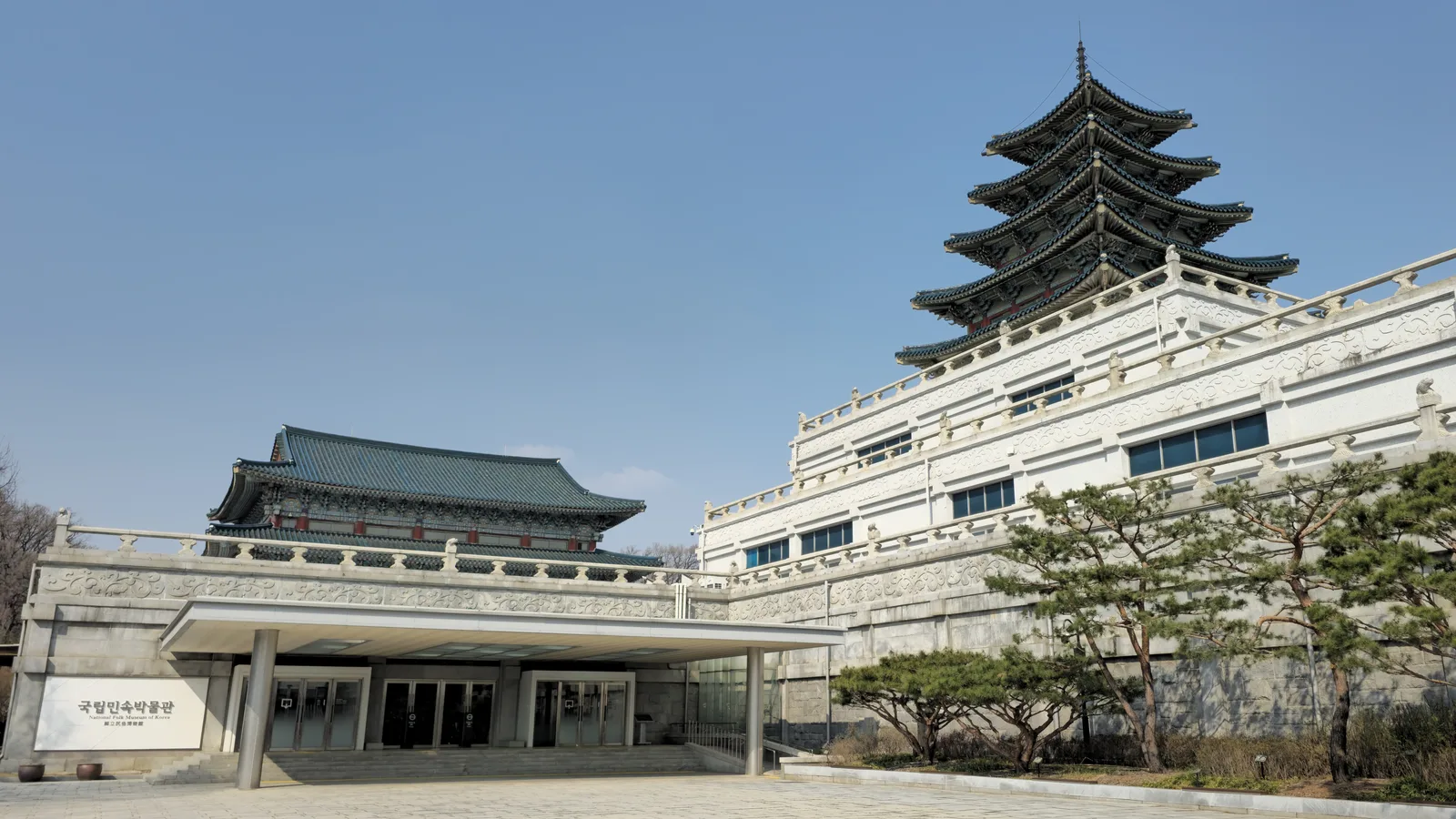
Everyday Korean social customs — age-based deference, formal speech levels, and family and workplace hierarchy — are historically rooted in Confucian tradition, as documented by Korea’s National Folk Museum. This is not a rule that every character in every drama follows identically, but it is the cultural background that explains why age, seniority, and role so consistently shape how characters address and behave toward each other on screen.
Speech levels, briefly
Korean has multiple levels of formality built into its grammar, not just its vocabulary — this is different from English, where formality is mostly a matter of word choice and tone. A character speaking formally to an older colleague and casually to a close friend in the same scene is not an inconsistency; it reflects how the language itself works. The honorifics guide in this section explains this system in more depth.
Family and workplace dynamics
Age and position matter in a structured way in many Korean workplaces and families — an older sibling or senior colleague is often addressed by a relationship title rather than by name, and deference to seniority is a common, though not universal, expectation. Regional, generational, and individual variation is real; dramas sometimes exaggerate these dynamics for effect, and it is worth remembering that a dramatized workplace or family is not a documentary of Korean life.
What this article will not do
This is cultural context, not plot analysis — it will not interpret what a specific scene “really means,” speculate about characters’ motivations, or discuss endings. If you want to understand a specific show more deeply, the honorifics and etiquette guides in this section give you the background to notice these patterns yourself.
Where to go from here
The honorifics guide explains the formality system in more detail, and the general etiquette guide covers how these same hierarchy-based customs show up in everyday life, not just on screen.
Sources
- National Folk Museum of Korea — National Folk Museum of Korea (accessed )