T-money or the Climate Card: Which Transit Pass Should Visitors Buy?
T-money and the Climate Card both work on Seoul's public transportation, but they cover different things and suit different trips — here's how to choose.
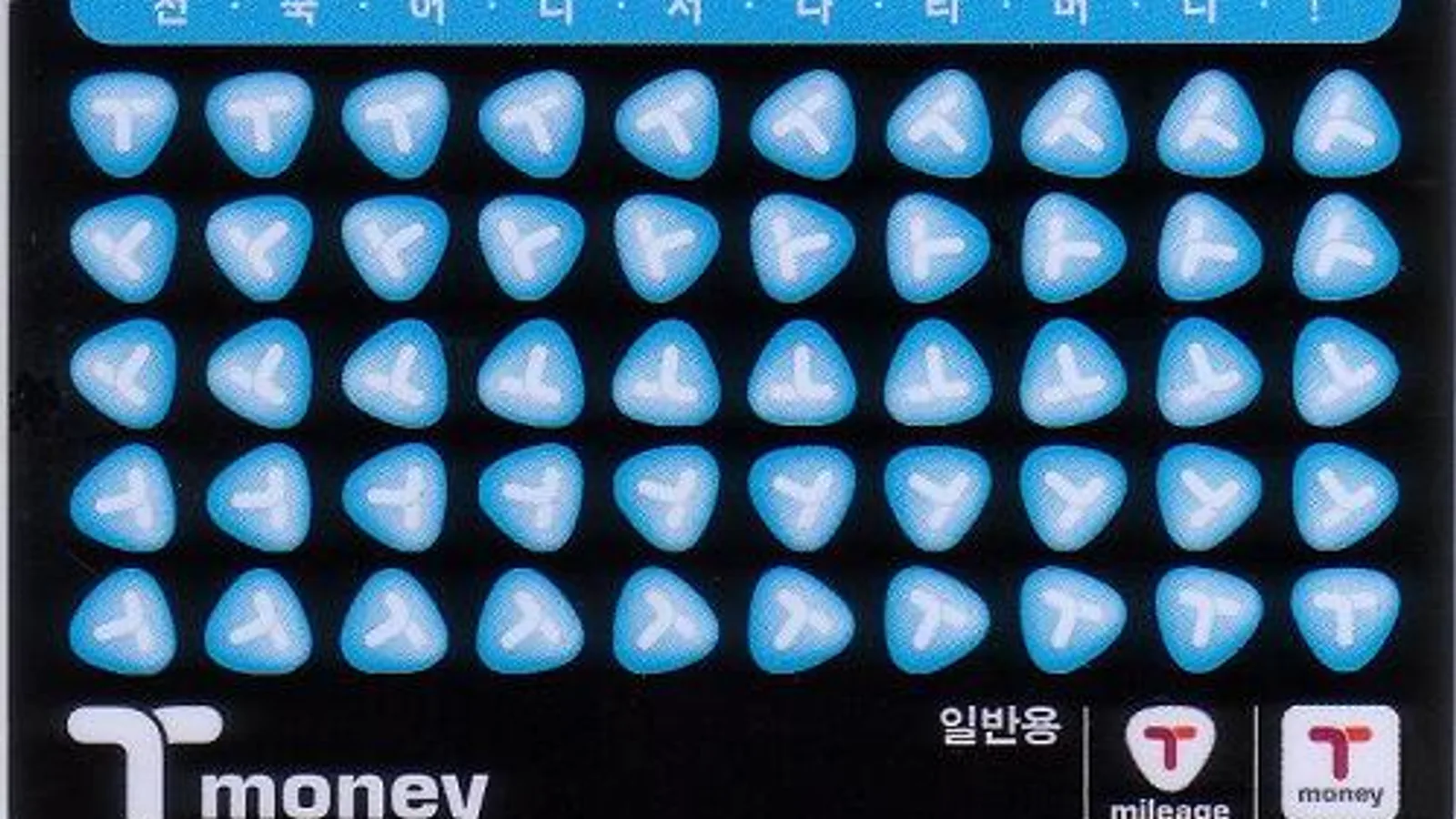
If you’ve already read how T-money works, you may have also seen Seoul’s newer Climate Card mentioned as an alternative. Both work on the subway and bus, but they’re built for different kinds of trips — here’s the actual difference, not just a feature list.
What each card is for
T-money is a reloadable, pay-as-you-go card. You add money to it and each ride deducts the fare, with a free transfer between subway and bus within the transfer window. It works nationwide on subways, most city buses, and even some taxis, and it doesn’t expire.
The Climate Card is a flat-rate, unlimited-use pass for a fixed period, run by the Seoul Metropolitan Government. Instead of paying per ride, you pay once for a block of time and ride as much as you want within Seoul’s covered network during that period.
Current Climate Card tourist-pass pricing
As of this writing, the Climate Card’s short-term tourist pass comes in five options: 1-day (₩5,000), 2-day (₩8,000), 3-day (₩10,000), 5-day (₩15,000), and 7-day (₩20,000) — confirmed directly from the Seoul Metropolitan Government’s official Climate Card page. There’s also a standard 30-day version aimed at residents and longer stays, priced higher and not usually the right fit for a short visit.
Physical card vs. phone
Both cards exist as a physical card and, separately, inside Korea’s mobile T-money app for phones that support it — but the phone version is Android-only in practice. iPhone’s NFC restrictions mean Apple Wallet doesn’t support Korean transit tap-to-pay the way Android phones do, so most visitors with an iPhone will need the physical card regardless of which pass they choose. The physical card is also simpler for a short trip either way: it’s sold at convenience stores and subway stations without needing a Korean phone number, and recent Climate Card versions can be purchased and recharged directly with an international credit or debit card.
What the Climate Card does not cover
This is the detail that matters most for visitors: the Climate Card does not cover the AREX airport train, intercity or airport buses, the Sinbundang Line, subway lines outside Seoul, or non-Seoul-licensed buses. If your trip involves the airport, a day trip outside Seoul, or an intercity train, you’ll need T-money (or a separate ticket) for those specific legs regardless of which pass you’re carrying.
Which to choose
- Staying mostly in Seoul, using the subway and bus often, for a short trip — a Climate Card tourist pass is usually the simpler and cheaper option, since you stop counting individual fares entirely.
- Traveling to/from the airport, taking an intercity train or bus, or splitting time between several cities — get a T-money card; the Climate Card won’t cover those legs anyway.
- Not sure yet, or your plans might change — T-money is the safer default. It works everywhere the Climate Card does plus everywhere it doesn’t, and you only pay for what you actually ride.
- Doing both — some visitors carry T-money for arrival/departure and intercity days, and buy a short Climate Card pass only for a dense multi-day stretch inside Seoul. This works, but means managing two cards, which isn’t necessary for most short trips.
What could change
Both the Climate Card’s price and its route coverage are set by city policy and have changed before — treat the specific figures above as current as of this article’s last review, and check the official Climate Card page directly if your trip is far enough out that policy could shift again.
Where to go from here
If you haven’t already, the public transportation guide covers how T-money mechanics actually work day to day — transfers, fares, and topping up — which applies regardless of which card you end up choosing.
Sources
- Climate Card — Seoul Metropolitan Government (accessed )
- Seoul Launches Mobile App Recharge for Physical Climate Cards — Seoul Metropolitan Government (accessed )