The Unwritten Rules of Saving a Seat in a Korean Café
Starbucks Korea banned desktop computers and partitions in 2025, then built dedicated study seating for the same customers in 2026. Here's what got restricted, why cagongjok café culture exists, and what US visitors should actually do before settling in.
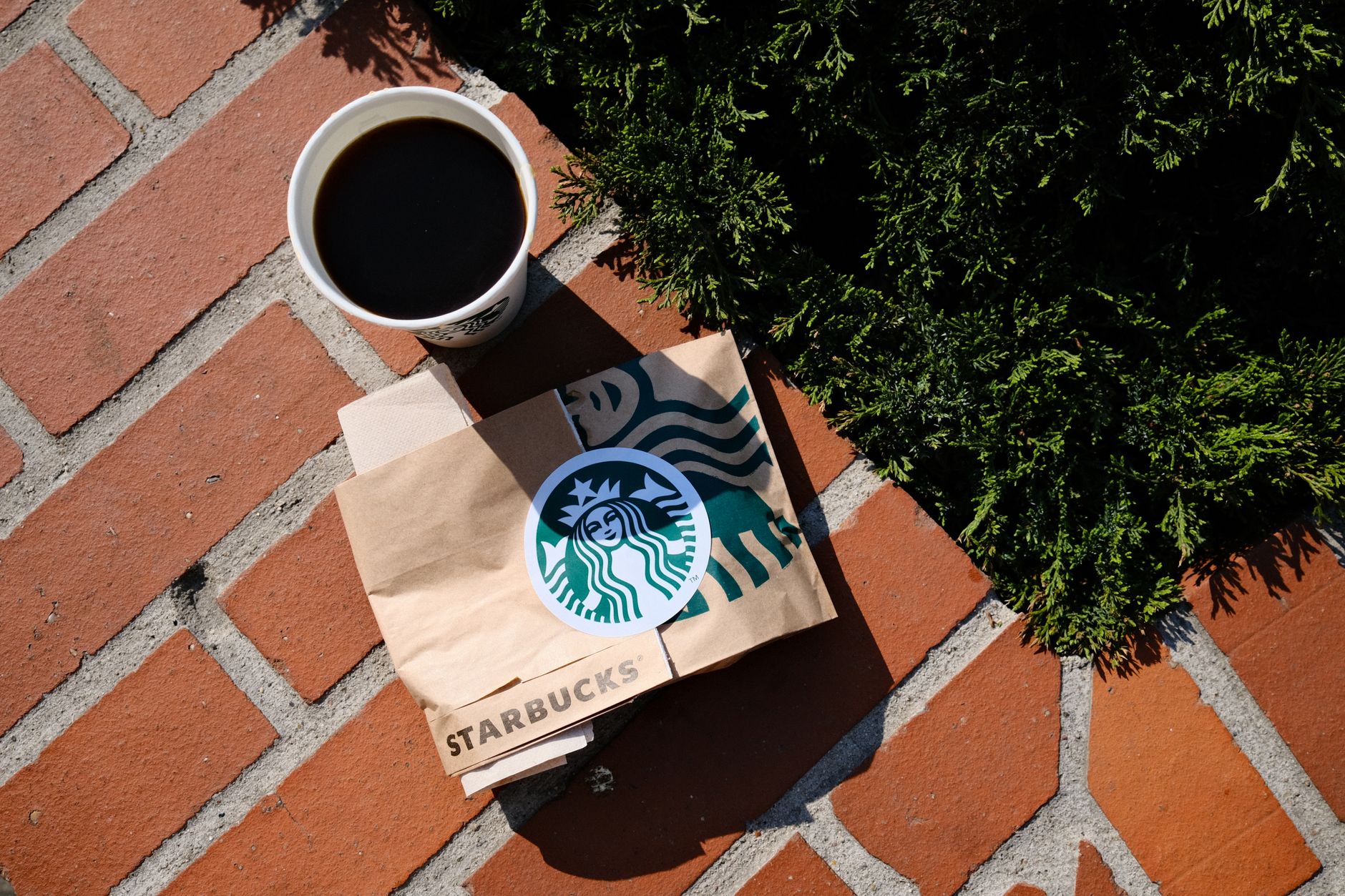
From Banning Desktops to Building Study Zones
Walk into one of six Starbucks locations across South Korea today, and you’ll find something that didn’t exist a year ago: rows of single-person booth seats with privacy dividers, partitioned window-facing tables, and community tables built specifically for customers who came to study or work, not just to grab a coffee to go. Starbucks Korea calls this a Focus Zone, and according to Starbucks Korea’s April 2026 announcement, the concept now covers six stores nationwide — a Sillim Nokdu-geori branch near a university district in Seoul, stores in Songpa and Ilsan, a location near Gwanggyo Sanghyeon Station, and outposts on the Sejong University and Hanyang University ERICA campuses. At the two campus stores, the zone takes up roughly half of the total floor space.
The Focus Zone idea isn’t brand new — Starbucks Korea started it in August 2025, well before this spring’s expansion — but the campus locations are recent: the Sejong University store opened February 27, 2026, and Hanyang University ERICA followed March 31, 2026. In that same announcement, Starbucks Korea store-development manager Lee Kyuchun said the company is expanding its store design to match customers’ purpose of visit and how long they plan to stay.
Analysis: That’s a genuinely striking reversal in tone, and it’s worth sitting with for a second. Less than a year before it started building furniture around long-staying customers, Starbucks Korea’s public posture toward those same customers was closer to a crackdown than a welcome mat. Reading the 2025 and 2026 stories back to back, it looks less like a policy U-turn and more like triage: restrict the equipment that was turning café tables into home offices, then build purpose-made seating so the underlying demand — a place to study or work for hours at a stretch — has somewhere sanctioned to go.
What Got Banned in 2025, and Why
The equipment in question is the reason this story exists at all. On or around August 7 and 8, 2025, Starbucks Korea posted an in-store notice, reported by The Korea Herald, across its company-operated stores stating that customers could no longer set up personal desktop computers, printers, power strips, or cubicle-style partitions at their tables. The notice also asked customers occupying shared, multi-person tables to make room for others and to take their belongings with them if they were going to be away from their seat for an extended stretch. A company spokesperson confirmed the policy to multiple outlets, including Fortune.
What the notice didn’t do is ban laptops. A spokesperson was explicit that the restriction targeted bulky, office-style equipment — desktop towers, monitors, printers, full-size partitions — not the ordinary laptop-and-headphones setup that makes up most café-based study or work. Starbucks Korea said the notice followed complaints after some customers had begun plugging in power strips to run desktop computers, monitors, printers, and keyboards, and installing cubicle-style dividers to claim multi-person tables for hours at a time — in effect, turning a shared table into a private office.
Meet the Cagongjok: Korea’s Café Study Culture
None of this makes sense without the customers it was written for. Korean has a specific slang term for people who buy one drink and then treat a café as a long-term study space: cagongjok, a blend of the words for café, studying, and tribe. A newer, related term — cailjok, swapping the ‘studying’ half for ‘working’ — describes the same behavior aimed at remote work rather than exam prep. Starbucks Korea’s own April 2026 announcement addresses both groups by name, which is a signal the company sees them as two flavors of the same customer rather than a niche.
Analysis: This is also where the seat-saving behavior at the center of this piece comes from. Visitors from the US often notice, with a mix of surprise and admiration, that it’s completely ordinary in Korean cafés to leave a laptop, phone, or bag alone at a table for a few minutes — to reserve the seat while ordering, or to step outside for a call — without much thought about theft. That norm is what makes cagongjok culture logistically possible in the first place: without a working assumption that an unattended laptop will still be there when you get back, hours-long solo study sessions at a shared table wouldn’t be viable. It’s also exactly the kind of low-friction, extended occupancy that eventually collided with Starbucks Korea’s own table-turnover economics — which is the tension the rest of this article is about.
When One Store’s Sign Becomes a National Story
Not every headline about Korean café rules turns out to be a chain-wide policy, and it’s worth knowing the difference before taking a viral sign at face value. In April 2025, a single Starbucks Korea branch near a subway station posted its own notice warning that a seat left empty for 30 minutes or more could be cleared by staff, with abandoned belongings moved to the store’s lost-and-found box. It made national news, but a company representative clarified, in reporting from Hankyung, that the notice reflected theft concerns specific to that one location — not a company-wide rule, and unrelated to the desktop-and-partition notice that would follow four months later.
Something similar happened in August 2023, well before either Starbucks story, when Korean outlets reported that a sign at an Ediya Coffee location told customers that staying more than three hours required an additional order. Reporting at the time from ZDNet Korea attributed the sign to that individual franchise owner setting store-level policy, not a directive from Ediya’s headquarters. Both stories followed the same arc: one store’s sign, national attention, and a clarification that it wasn’t company policy. If you’re trying to work out what’s actually standard practice in Korean cafés, that arc is the tell — a single dramatic sign is usually store-level color, not the rule.
How This Compares to Cafés in the US
The instinct to push back on long-staying laptop customers isn’t uniquely Korean — it’s shown up in American coffee shops too, just through a different mechanism. Since around 2025, a number of independently owned US cafés — Axios reported on Devoción in New York and Greystone in Boston, among others — have cut WiFi access or restricted laptop use at tables specifically to discourage all-day remote-work seating.
Analysis: The mechanism is the real difference worth noticing. American cafés doing this are almost always small, independent shops making a table-turnover call store by store — pull the WiFi password, post a laptop-free sign, done. What’s happening in Korea is a national chain running both halves of the playbook at once: Starbucks Korea restricted the most disruptive equipment nationwide, then built dedicated, purpose-designed seating — the Focus Zone booths and community tables — to formally accommodate the customer behavior it didn’t want to lose. A single US coffee shop pulling its WiFi has no real equivalent to opening a construction project around the exact customer it’s managing.
The Unwritten Rules for Visitors
None of this needs to be intimidating for a visitor. Café rules in Korea vary store by store and aren’t standardized across a chain, so the safest approach for anyone planning to study or work from a Korean café is straightforward.
Practical: Order something before you sit down. Choose general seating rather than any area visibly marked for a specific purpose, like a Focus Zone reserved for solo study. Keep your belongings visible, minimal, and easy to gather quickly — a laptop and a notebook, not a desktop setup. And check for posted signage near the counter or your table before settling in for a long stretch; individual branches sometimes post their own rules, as the 2025 and 2023 stories above show, and those local notices are the ones that actually apply to the seat you’re sitting in.
Sources
- ",!", 1~2 ' ' — SCK Company (Starbucks Korea) via Shinsegae Group Newsroom (accessed )
- , '' ' ' — (Electronic Times) (accessed )
- " "…, ' ' — Bizwatch (accessed )
- " " …" " — (Seoul Shinmun) (accessed )
- Leave your home offices at home: Starbucks draws the line at desktops — The Korea Herald (accessed )
- Starbucks asks customers in South Korea to stop bringing printers and desktop computers into stores — Fortune (accessed )
- '' … — SBS News (accessed )
- "30 …", — (Financial News) (accessed )
- 30 — (Hankyung) (accessed )
- "30 "…''? — (Money Today) (accessed )
- "3 "…'',? — (Money Today) (accessed )
- ..."3 " — ZDNet Korea (accessed )
- 9 …" " — (Asia Economy) (accessed )
- Coffee shops ditch WiFi and laptops to limit remote work — Axios (accessed )